Have you ever sliced open two tomatoes from the same garden and noticed something unusual? One might be packed with seeds, while the other has only a few tiny seeds surrounded by juicy flesh. Even tomatoes growing on the same plant can look quite different inside.
So, why do some tomatoes have more seeds than others? Is it because of the variety, growing conditions, pollination, or something else?
The answer is a combination of genetics, flower development, pollination, and environmental conditions. Let’s explore what determines the number of seeds inside a tomato and whether having more seeds makes a tomato better.
Tomato Variety Plays a Major Role
Table of Contents
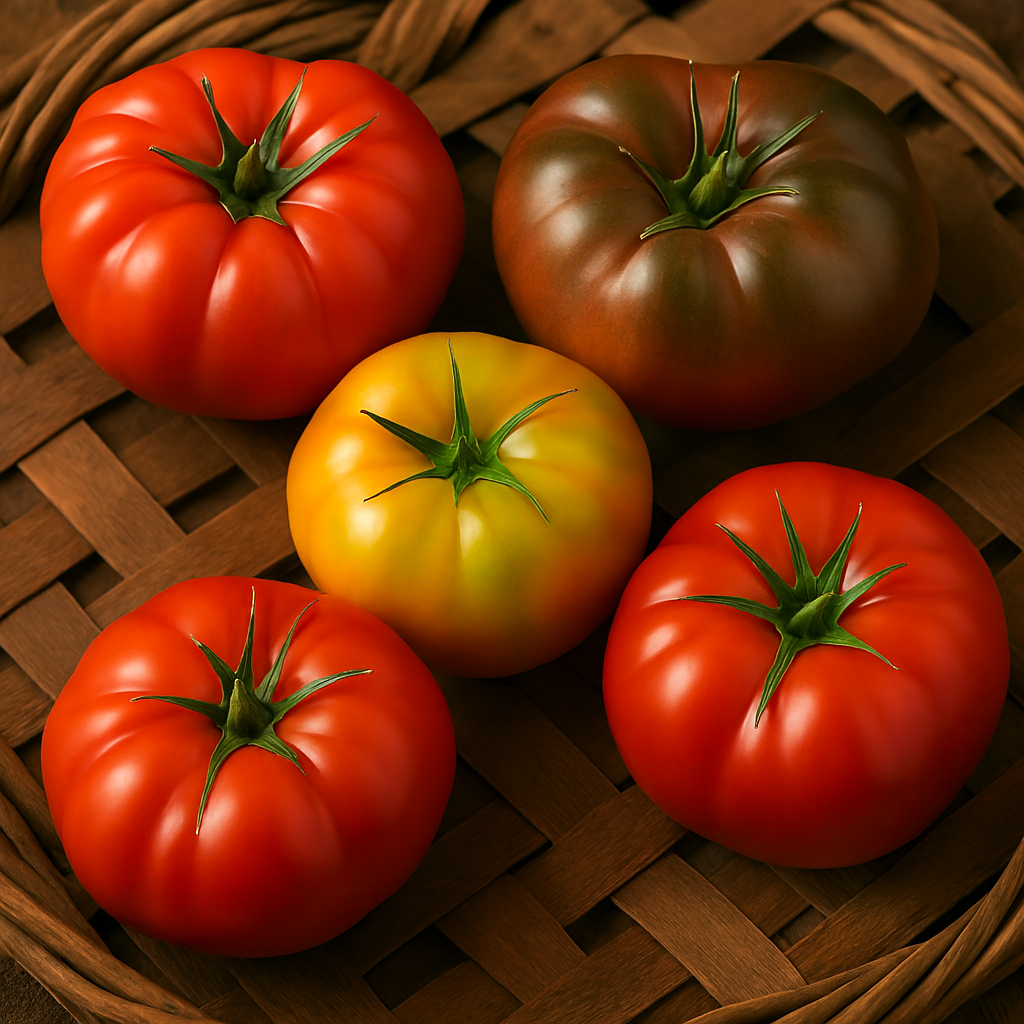
One of the biggest reasons tomatoes have different seed counts is their variety.
Not all tomato varieties are genetically programmed to produce the same number of seeds. Some naturally develop numerous seed cavities filled with seeds, while others have fewer cavities and more solid flesh.
For example:
- Beefsteak tomatoes often have large internal cavities and can contain many seeds.
- Cherry tomatoes are small but can have a surprisingly high number of seeds relative to their size.
- Roma tomatoes generally have thicker flesh and fewer seed-filled cavities.
- Some paste tomatoes are specifically bred to have more solid flesh and less watery pulp.
This is why comparing two different tomato varieties does not always give you a fair idea of how many seeds a typical tomato should contain.
Pollination Influences Seed Development

Tomatoes are self-pollinating plants, meaning their flowers generally contain both male and female reproductive parts. However, successful pollination is still necessary for normal seed development.
When pollen reaches the flower’s stigma, fertilization can take place. The fertilized ovules gradually develop into seeds as the tomato fruit grows. If pollination is incomplete, some ovules may not develop into mature seeds. This can result in a tomato with fewer seeds.
Temperature, humidity, poor pollen release, and limited flower movement can all affect successful pollination. Although tomatoes can pollinate themselves, gentle movement from wind or visiting insects can help release and distribute pollen within the flower.
The Number of Seed Cavities Matters

Have you noticed that some tomatoes have several distinct sections inside when you cut them horizontally?
These sections are called locules. They are the internal chambers where seeds and the surrounding jelly-like material develop. Different tomato varieties have different numbers of locules. A tomato with more locules may have more opportunities to develop seeds, while a variety with fewer chambers may naturally contain fewer seeds.
However, more chambers do not automatically guarantee more mature seeds. The number of successfully developed seeds also depends on fertilization and the variety’s characteristics.
Growing Conditions Can Affect Seed Development
The environment in which a tomato plant grows can influence how successfully its flowers develop into fruit and seeds. Temperature is particularly important. Extremely high or low temperatures can interfere with pollen production, pollen viability, and fertilization. When flowers experience heat stress, for example, they may produce fewer viable seeds or fail to develop fruit normally.
Other growing conditions also matter:
- Water availability: Irregular watering can stress plants and affect fruit development.
- Nutrient balance: Plants need adequate nutrition to support flowering and fruit development.
- Humidity: Very high humidity can interfere with pollen release, while extremely dry conditions can affect pollen viability.
- Sunlight: Healthy sunlight exposure supports plant growth and energy production.
These factors do not determine seed numbers in isolation, but they can influence how successfully seeds develop.
Fruit Size Does Not Always Determine Seed Count
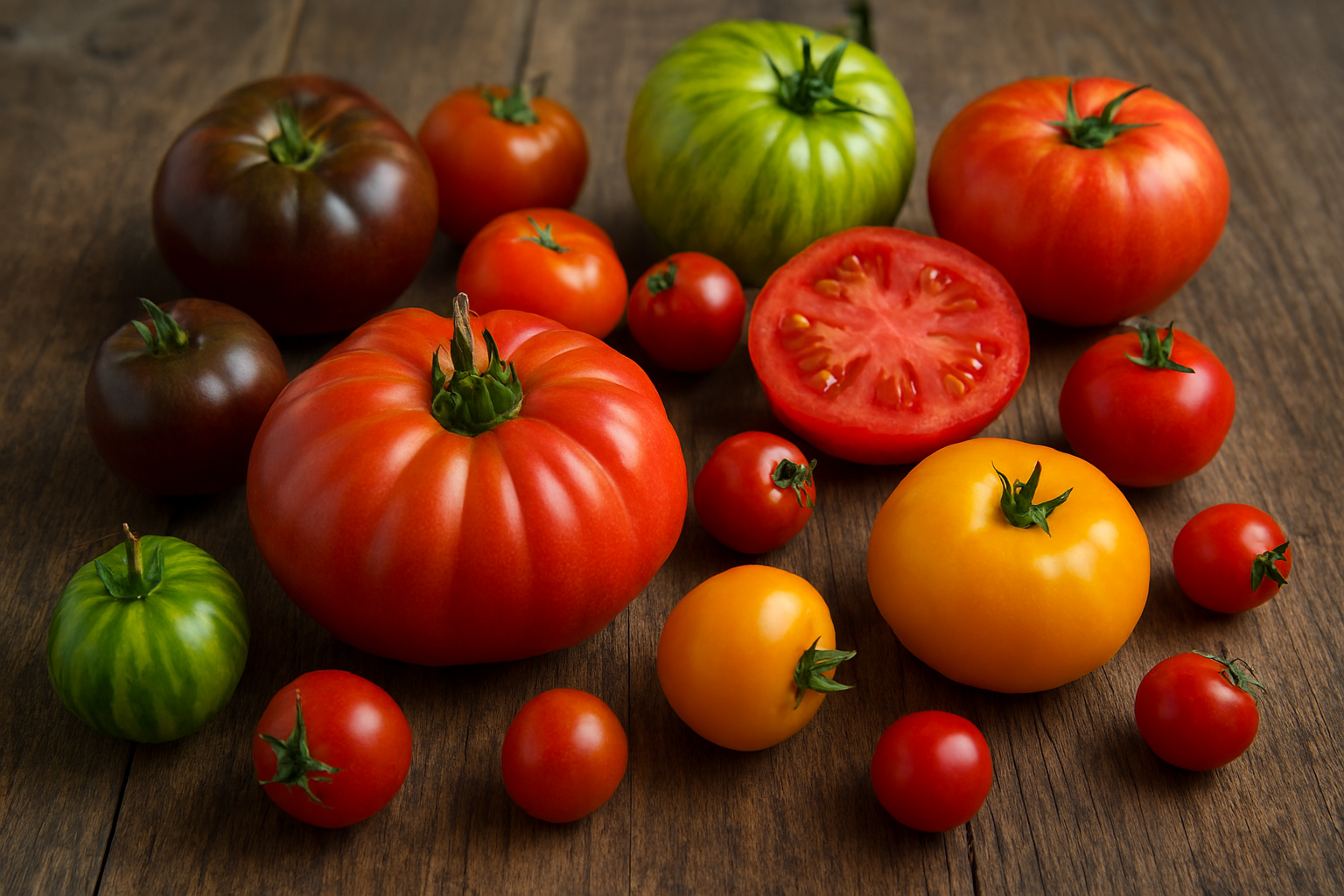
It is easy to assume that a bigger tomato must contain more seeds. However, that is not always true.A large beefsteak tomato may have plenty of seeds, but another large variety might have thick, fleshy walls and relatively few seeds. Similarly, a small cherry tomato can contain a considerable number of seeds despite its size.
The internal structure of the variety matters more than the fruit’s external size alone. nTherefore, you should not judge the seed count simply by looking at how large or heavy a tomato is.
Does Having More Seeds Mean a Better Tomato?

Not necessarily! The number of seeds inside a tomato does not directly determine its taste, nutritional value, or overall quality.Some people prefer tomatoes with fewer seeds because they have thicker flesh and are easier to use in sauces, sandwiches, and cooking.
Others enjoy juicy tomatoes with plenty of seed-filled pulp, particularly when preparing salads or fresh tomato chutneys.Taste depends on several factors, including sugar content, acidity, aroma compounds, variety, and growing conditions. A tomato with fewer seeds can taste delicious, just as a tomato with many seeds can be flavourful and juicy.
Can You Save Seeds From Tomatoes With More Seeds?
Yes! You can save seeds from healthy, fully ripe tomatoes, provided they come from a suitable variety.
However, there is an important distinction between hybrid and open-pollinated tomatoes. Seeds saved from open-pollinated varieties generally produce plants similar to their parent plants, provided cross-pollination has not occurred.
Hybrid tomato seeds may produce plants with different characteristics in the next generation. They may not retain the same fruit size, flavour, or other qualities as the original plant. If you want to save seeds for future gardening, choose healthy, fully ripe fruits from plants with desirable characteristics.
Final Thoughts
Some tomatoes have more seeds than others because of differences in variety, internal structure, pollination, and growing conditions. The number of seed chambers, successful fertilization, and the development of individual ovules all contribute to the final seed count. So, the next time you slice open a homegrown tomato, take a closer look at its internal structure.
You might discover that two tomatoes from the same garden can have surprisingly different seed patterns. And remember, whether your tomato has a handful of seeds or is packed with them, the seed count alone does not tell you whether it is a good tomato!
Leave a Reply