In Tennessee, spring arrives like a slow melody drifting through valleys and across rolling hills.
For many gardeners, this season is about possibility. Among all the vegetables that find their way into Tennessee gardens, tomatoes hold a special place. The tomato is often considered the crown jewel of the summer garden.
However, growing tomatoes successfully requires careful timing. Planting too early can expose young plants to damaging frost, while planting too late can reduce yields due to summer heat stress. Every successful tomato harvest begins with understanding the rhythm of the seasons and respecting nature’s timetable.
Tennessee’s Patchwork Climate
Table of Contents
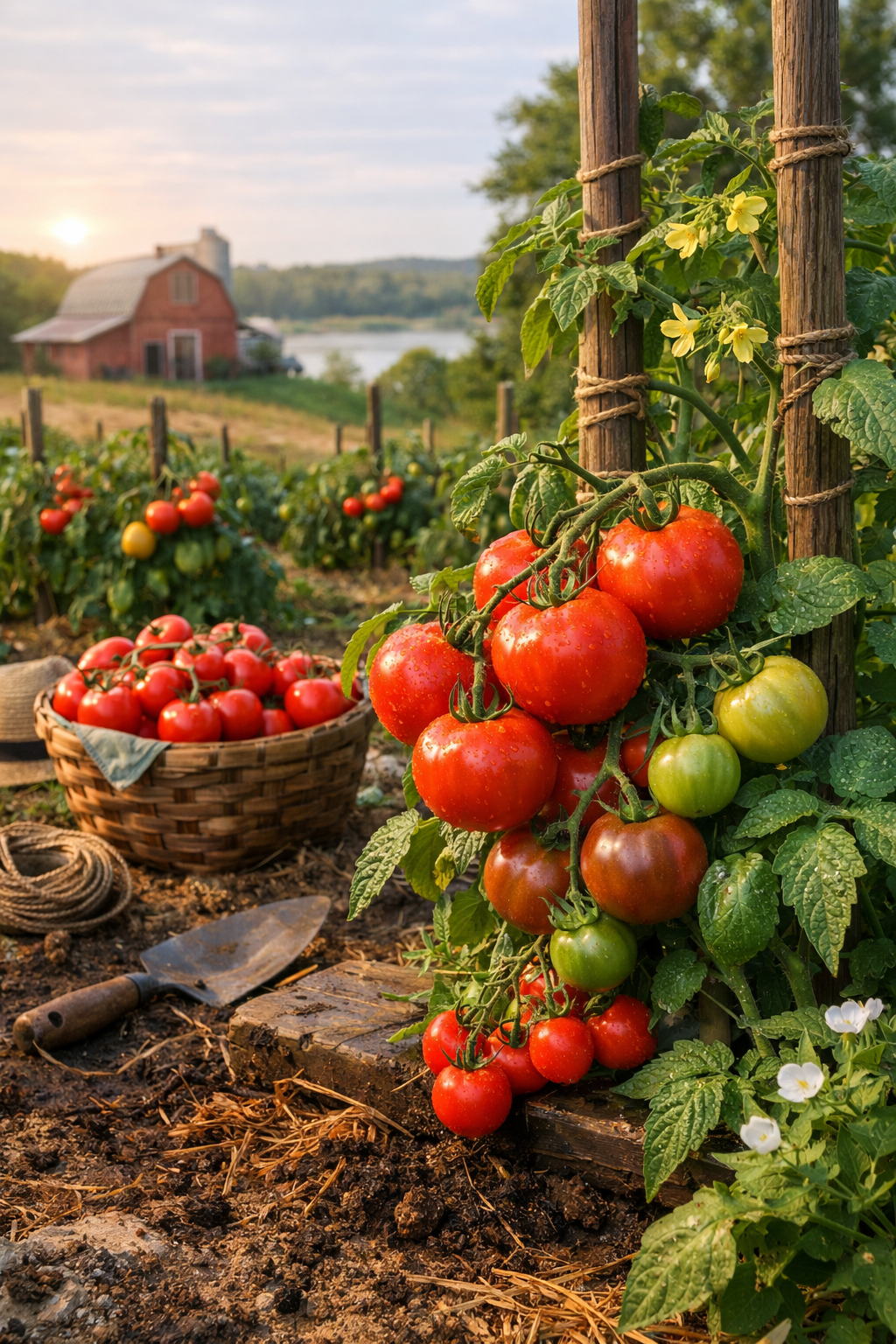
One of the reasons gardening advice varies across Tennessee is the state’s diverse geography. Stretching from the Mississippi River in the west to the Appalachian Mountains in the east, Tennessee experiences several distinct climate zones.
In West Tennessee, warmer temperatures arrive earlier in the spring. Areas around Memphis often experience their last frost between late March and early April, allowing gardeners to begin planting tomatoes by mid-April.
Middle Tennessee, including Nashville and surrounding communities, typically sees its final frost in early to mid-April. Gardeners usually wait until late April before transplanting tomatoes outdoors.
East Tennessee remains cooler for a longer period. Around Knoxville, gardeners often delay planting until late April or early May to avoid unexpected cold weather.
In the higher elevations of the Appalachian Mountains, frost may linger until late April or even early May. Gardeners in these regions frequently wait until mid-May before safely planting tomatoes. Understanding local frost dates is one of the most important steps toward a productive tomato season.
In Tennessee, the best time to plant tomatoes depends on where you live, with each region following its own rhythm of spring warmth and frost patterns:
West Tennessee – Memphis area – Plant tomatoes around mid-April.
Middle Tennessee – Nashville area – Plant in late April.
East Tennessee – Knoxville area – Plant in late April to early May.
Mountain regions – Plant from early to mid-May. Local climate conditions are often more reliable than statewide averages.
The Gardener’s Waiting Game
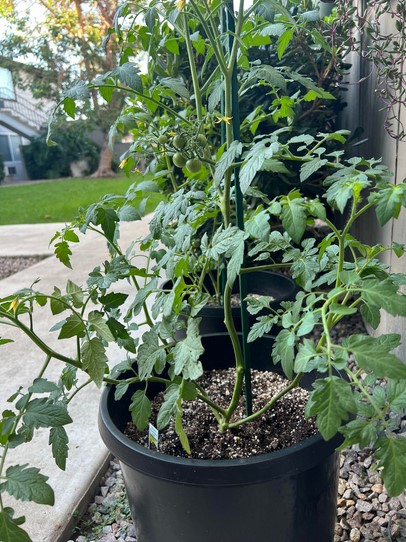
Imagine a gardener in Nashville carefully tending seedlings growing on a sunny windowsill. Every morning, she checks weather forecasts, hoping for warmer nights and stable temperatures.
The plants appear ready, but she knows experience has taught an important lesson – impatience can be costly.
Tomatoes thrive when soil temperatures reach at least 60°F. Cool soil slows root development and delays growth. Even if plants survive chilly conditions, they often struggle to catch up throughout the season.
Nighttime temperatures below 50°F can also stress tomato plants. Leaves may yellow, growth may stall, and flowering can be delayed. By waiting for consistently warm conditions, gardeners give their tomatoes the strongest possible start.
Patience during spring often results in healthier plants and larger harvests later in the season. So, here are the basic factors that you should keep in mind while planting tomatoes:
- Tomatoes perform best when soil temperatures exceed 60°F.
- Night temperatures below 50°F can stunt growth.
- Delaying planting until conditions are stable reduces stress. Strong early growth contributes to higher yields.
Preparing the Stage – Soil and Spirit
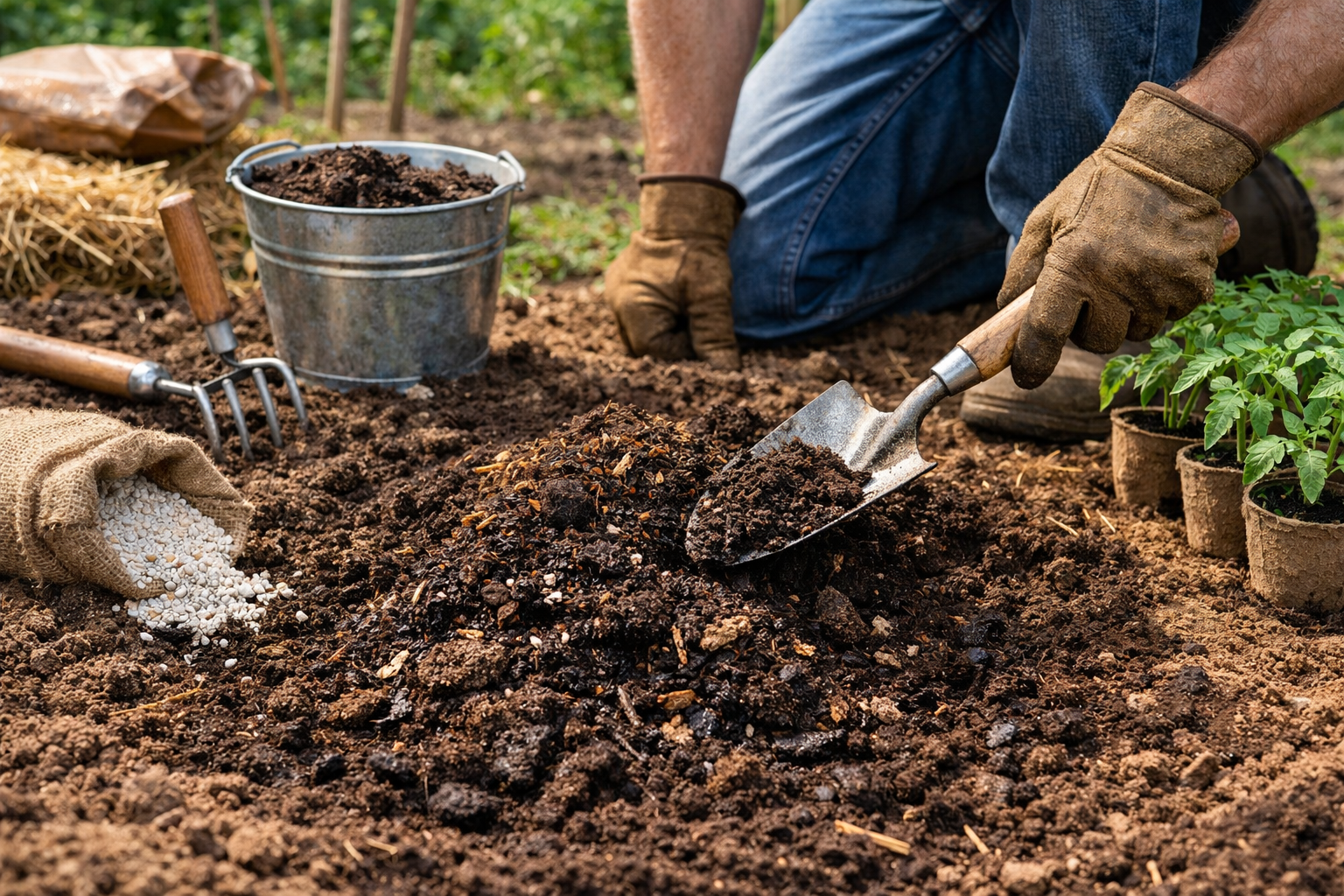
A thriving tomato garden begins beneath the surface. Before seedlings are transplanted outdoors, gardeners prepare the soil carefully.
Many Tennessee gardeners loosen soil to a depth of at least twelve inches. This allows roots to spread freely and access water and nutrients more effectively. Rich organic matter, such as compost or aged manure, is then incorporated to improve fertility and soil structure.
Tomatoes prefer slightly acidic soil with a pH between 6.0 and 6.8. Maintaining this balance helps plants absorb nutrients efficiently and promotes vigorous growth.
After planting, a layer of mulch helps conserve moisture, suppress weeds, and regulate soil temperature. This simple step can greatly improve plant health throughout the summer.
Preparing the soil is more than a gardening task—it is an investment in the season ahead. Here’ are the basic things to follow:
- Loosen soil approximately 12 inches deep.
- Add compost or aged manure before planting.
- Maintain soil pH between 6.0 and 6.8.
- Apply mulch to retain moisture and reduce weeds. Healthy soil supports healthy tomato plants.
The Ritual of Seed Starting
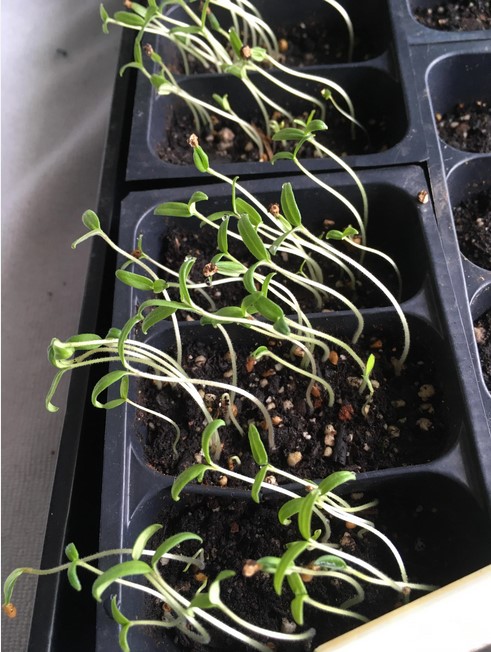
Long before spring arrives, many Tennessee gardeners begin growing tomatoes indoors. During late winter, seed trays appear under grow lights in kitchens, basements, and garages throughout the state.
Seeds are generally started six to eight weeks before the intended outdoor planting date. During this period, gardeners monitor moisture levels, provide adequate light, and watch tiny seedlings emerge.
Before transplanting outdoors, seedlings must be hardened off. This process involves gradually exposing plants to outdoor conditions over seven to ten days. Hardening off strengthens stems and helps seedlings adjust to wind, sunlight, and temperature changes.
Popular tomato varieties for Tennessee gardens include Cherokee Purple, Better Boy, and Roma. Each offers unique advantages, from exceptional flavor to reliable production.
The process of seed starting connects generations of gardeners and marks the beginning of every growing season.
- Start tomato seeds indoors 6–8 weeks before transplanting.
- Use grow lights or bright windows for healthy seedlings.
- Harden off plants for 7–10 days before planting outdoors.
- Popular Tennessee varieties include Cherokee Purple, Better Boy, and Roma. Early preparation leads to stronger plants.
Planting Seedlings – A Celebration of Hope
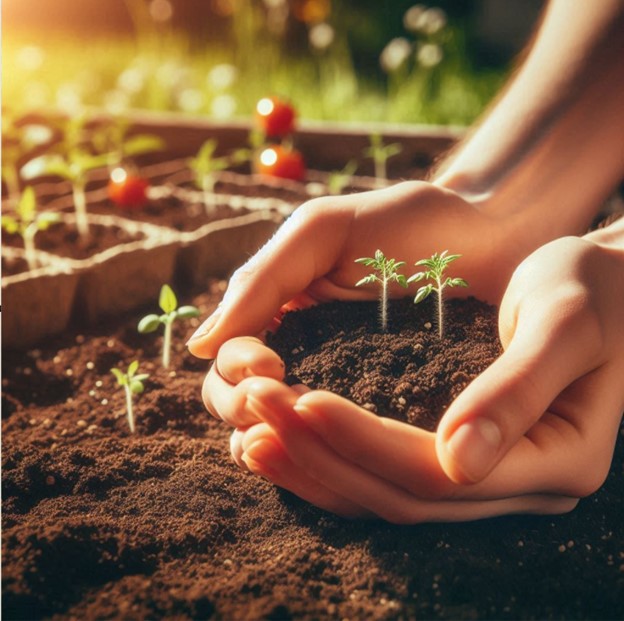
When frost danger finally passes, planting day arrives with excitement and anticipation. Gardeners gather tools, prepare beds, and carefully transplant their seedlings into the garden.
Tomatoes are unique because they can develop roots along buried stems. For this reason, gardeners often plant seedlings deeper than they were growing in containers. This encourages stronger root systems and greater stability.
Plants should be spaced eighteen to twenty-four inches apart to promote airflow and reduce disease problems. Immediately after planting, seedlings should be watered thoroughly to help establish roots.
Support structures such as cages or stakes should also be installed early. Providing support from the beginning prevents damage later as plants become larger and heavier.
Here are the key points you should keep in mind:
- Plant seedlings deeply to encourage root growth.
- Space plants 18–24 inches apart.
- Water thoroughly after transplanting.
- Install cages or stakes early. Proper planting techniques improve long-term productivity.
Summer’s Test of Strength
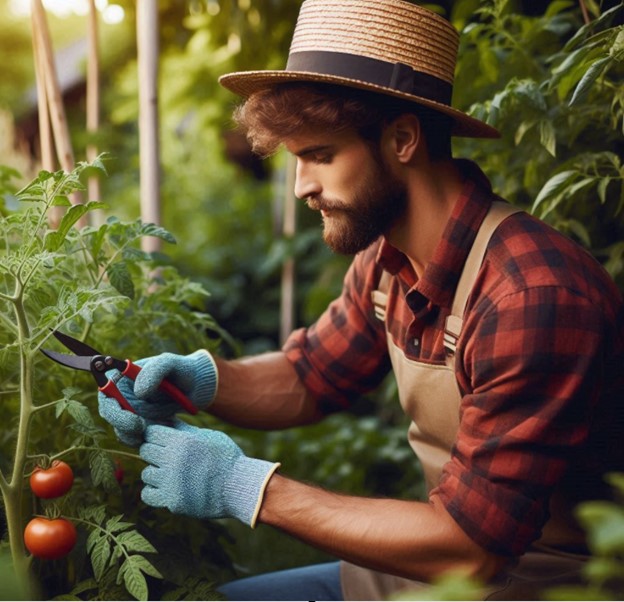
As summer progresses, tomato plants face a variety of challenges. Tennessee’s hot temperatures, occasional droughts, pests, and storms all test a gardener’s dedication.
Deep morning watering helps plants stay hydrated during hot afternoons. Mulch continues to play an important role by reducing moisture loss from the soil.
Gardeners must also monitor for pests such as tomato hornworms, aphids, and stink bugs. Early detection allows problems to be managed before significant damage occurs.
Pruning lower leaves can improve airflow around plants and reduce disease pressure, especially during humid weather.
Success during summer depends on consistent care and observation:
- Water deeply during the morning.
- Maintain mulch throughout the season.
- Monitor plants regularly for pests.
- Remove lower leaves to improve airflow.
- Consistent maintenance supports healthy growth.
The First Harvest – A Taste of Victory
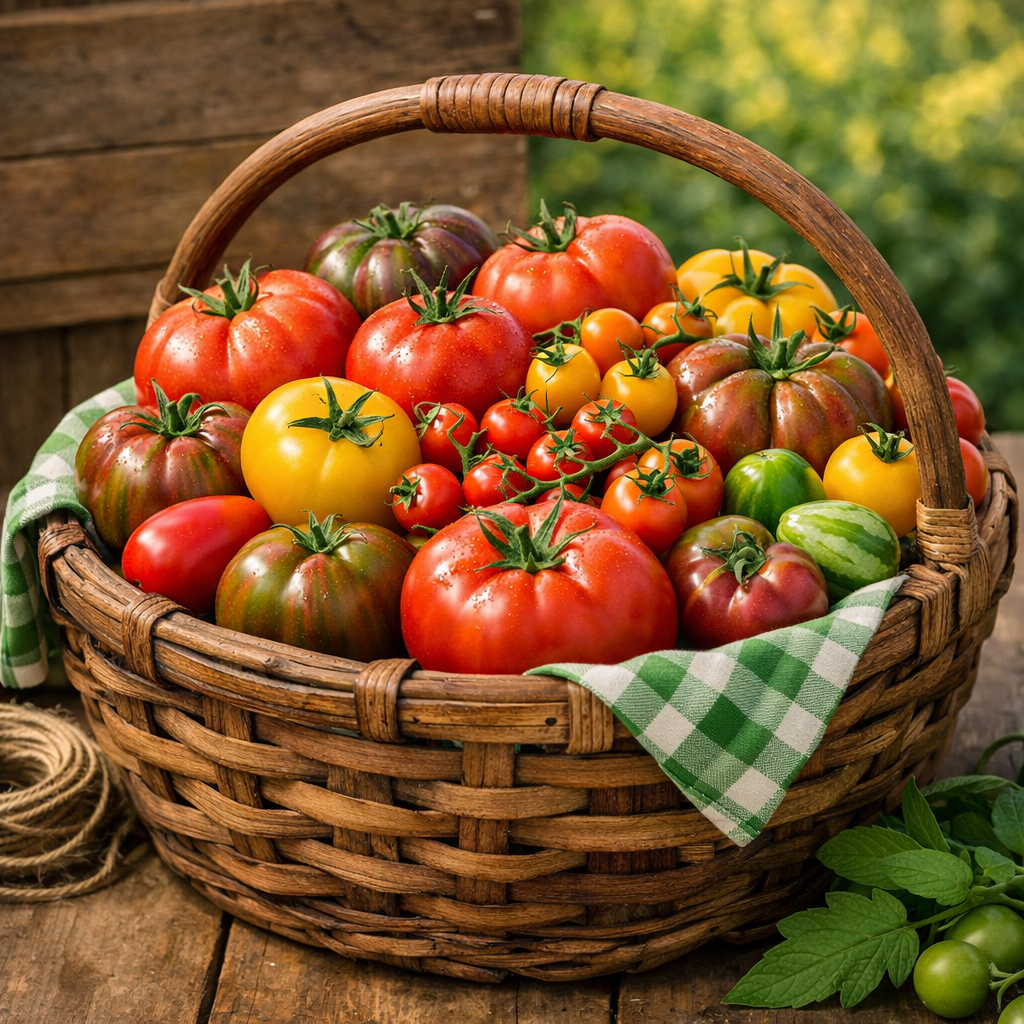
By July, the rewards of patience begin to appear. Tomatoes gradually ripen, changing from green to vibrant shades of red, yellow, orange, or purple.
Harvesting a fully ripe tomato is one of gardening’s most satisfying experiences. Fresh-picked tomatoes offer a flavor and texture that store-bought varieties rarely match.
Regular harvesting encourages plants to continue producing fruit. Tomatoes should be picked when fully colored and slightly firm to the touch.
For the best flavor, tomatoes should be stored at room temperature and enjoyed fresh whenever possible. Follow these for a good harvest:
- Harvest tomatoes when fully colored and firm.
- Pick fruit regularly to encourage continued production.
- Store tomatoes at room temperature.
- Use fresh tomatoes in salads, sandwiches, sauces, and other recipes. Regular harvesting extends the productive season.
Lessons From the Land
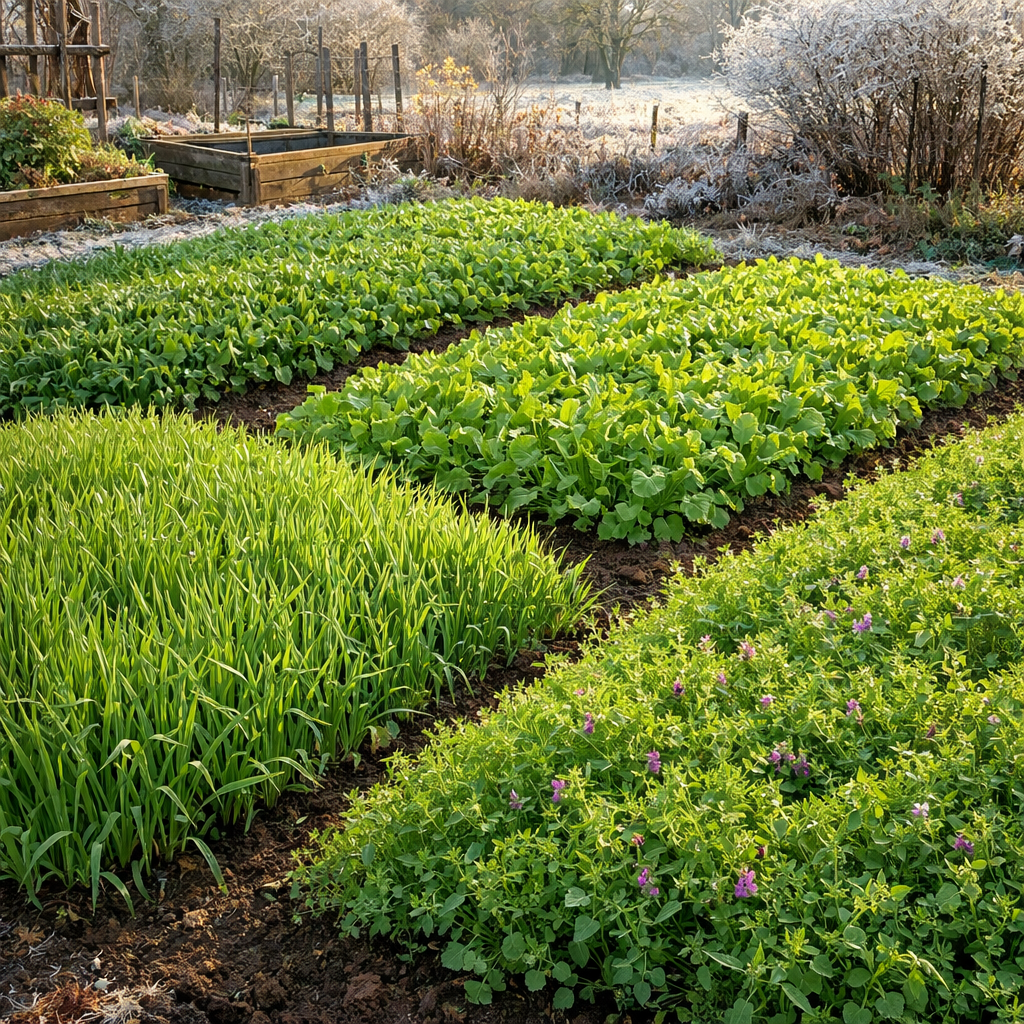
Every gardener accumulates stories and lessons over time. Some remember losing plants to a late frost, while others recall seasons when drought or pests created unexpected challenges.
These experiences teach that gardening is both science and art. While soil tests, frost dates, and weather forecasts provide valuable information, observation and local knowledge remain equally important.
Each season presents new opportunities to learn and improve. here are the things to keep in mind for a better yield:
- Gardening combines science with practical experience.
- Local conditions often matter more than generalized calendars.
- Mistakes become valuable learning experiences.
- Every harvest reflects planning, patience, and adaptability.
Wrapping Up
In Tennessee, growing tomatoes is more than a gardening activity—it is a tradition woven into family life and community culture. Gardens become places where stories are shared, skills are passed down, and memories are created.
The best planting time generally falls between late April and mid-May, depending on local climate conditions. By paying attention to frost dates, warming soil temperatures, and proper planting techniques, gardeners can enjoy abundant harvests throughout the summer.
Each season begins with hope, grows through careful effort, and ends with the simple pleasure of enjoying a homegrown tomato fresh from the vine.
Leave a Reply